
Menu
Menu
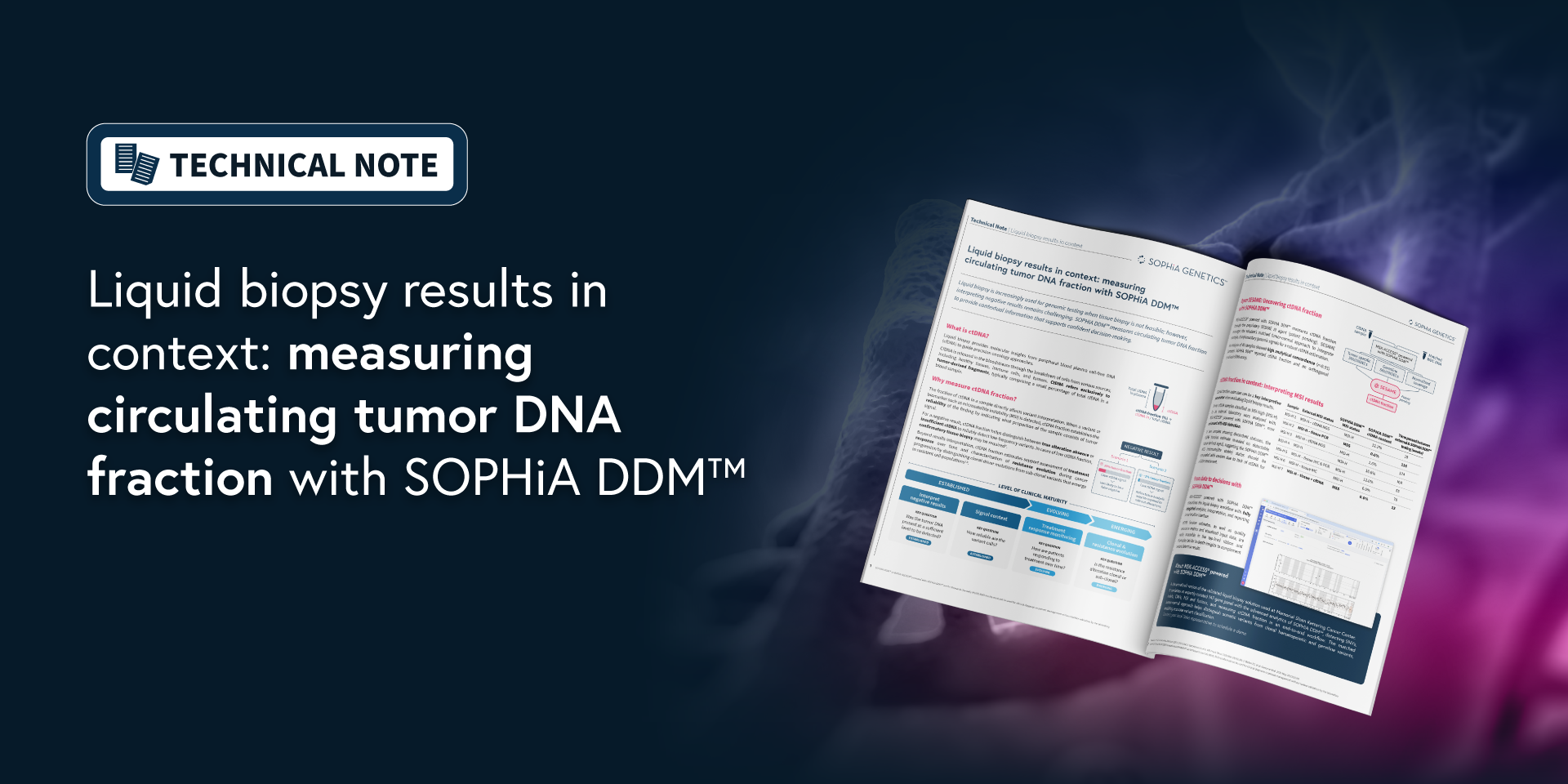
Explore how MSK-ACCESS® powered with SOPHiA DDM™ measures circulating tumor DNA (ctDNA) fraction for improved interpretation of liquid biopsy results.
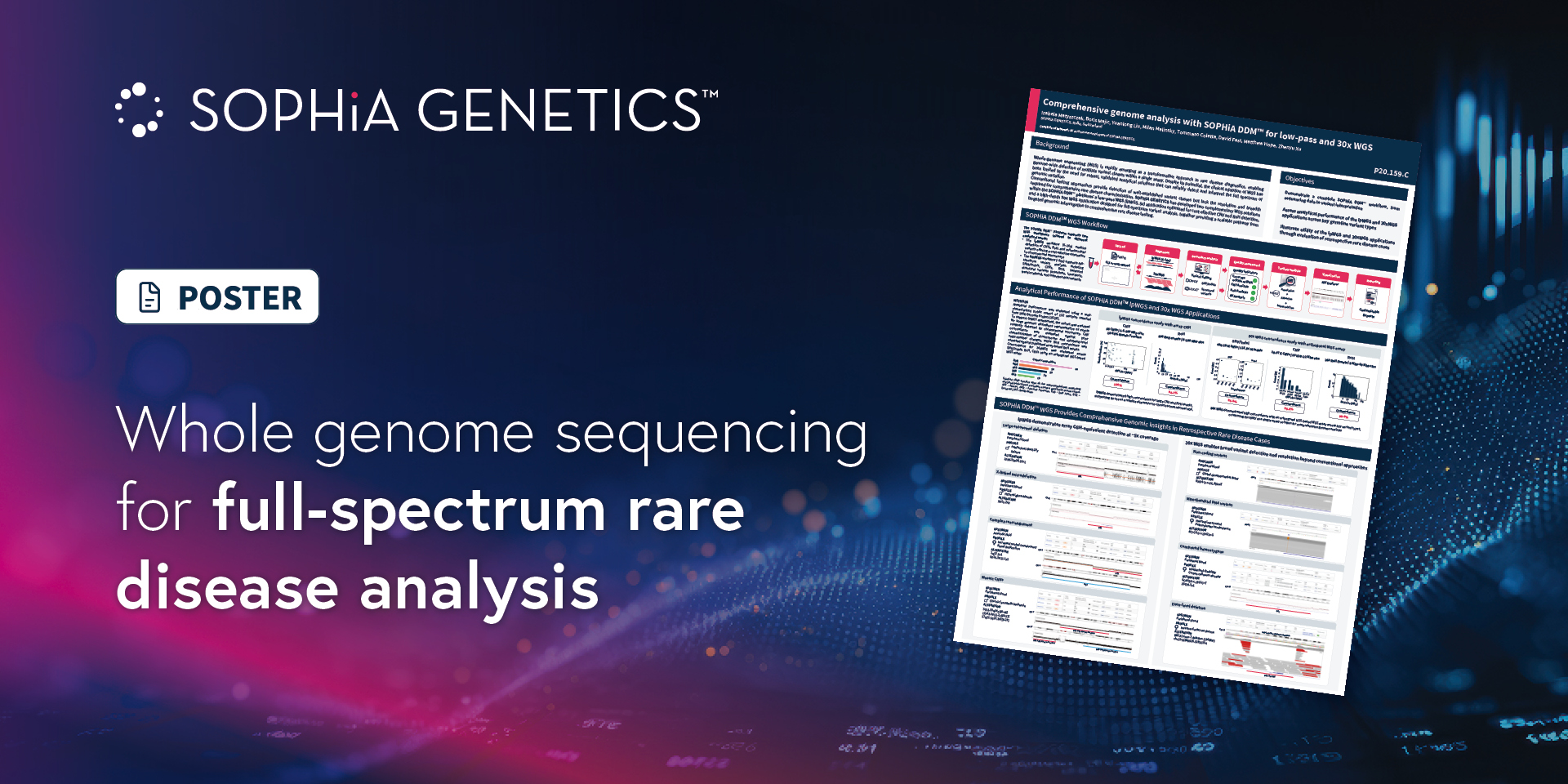
WGS holds enormous promise for rare disease assessment but realizing that promise depends on having analytical solutions robust enough to handle the full spectrum of genomic variation.
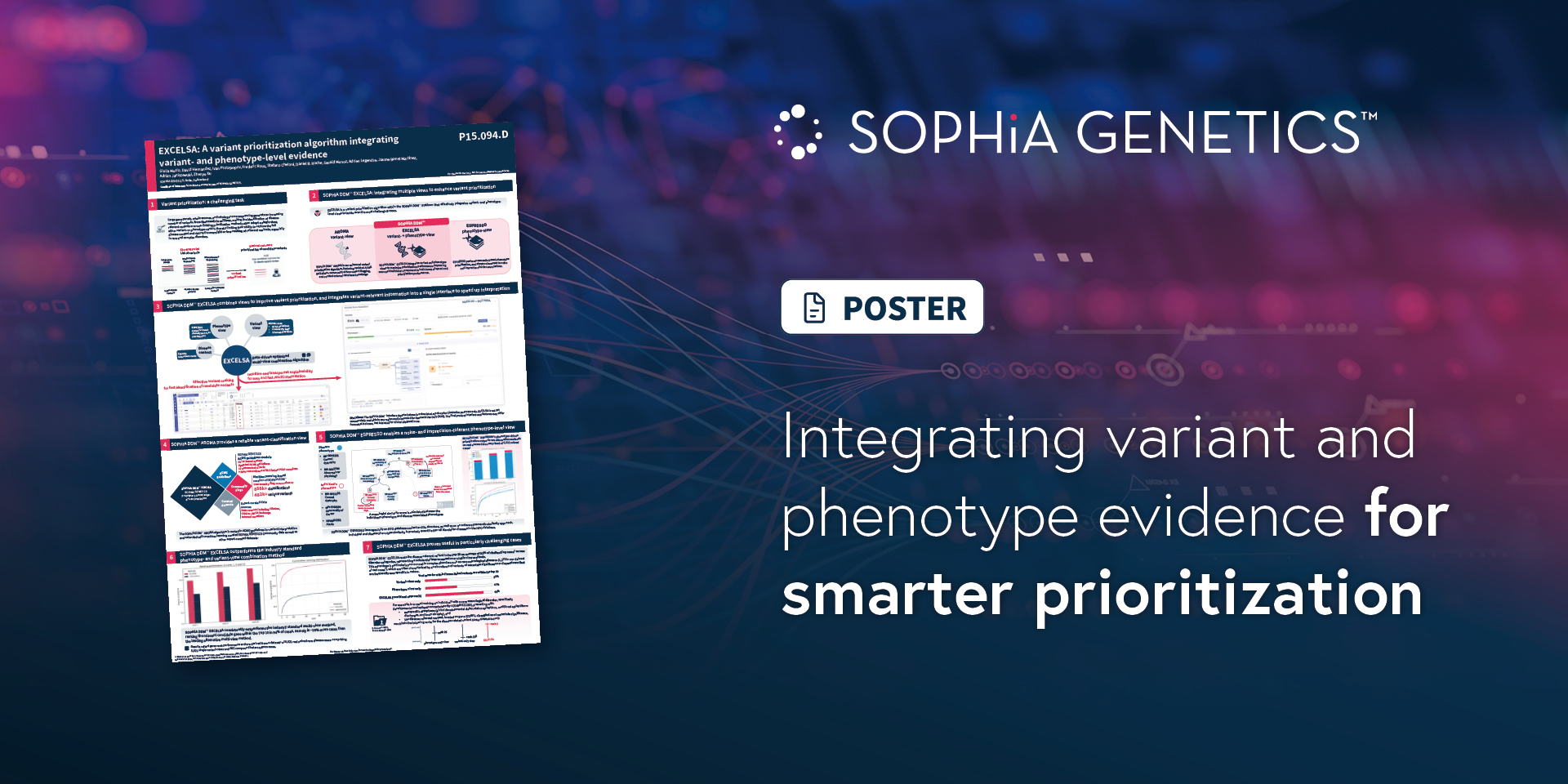
Finding the disease-relevant variant in a sea of candidates is one of the hardest problems in genomic medicine, yet variant-centric or phenotype-centric tools alone can only take you so far.
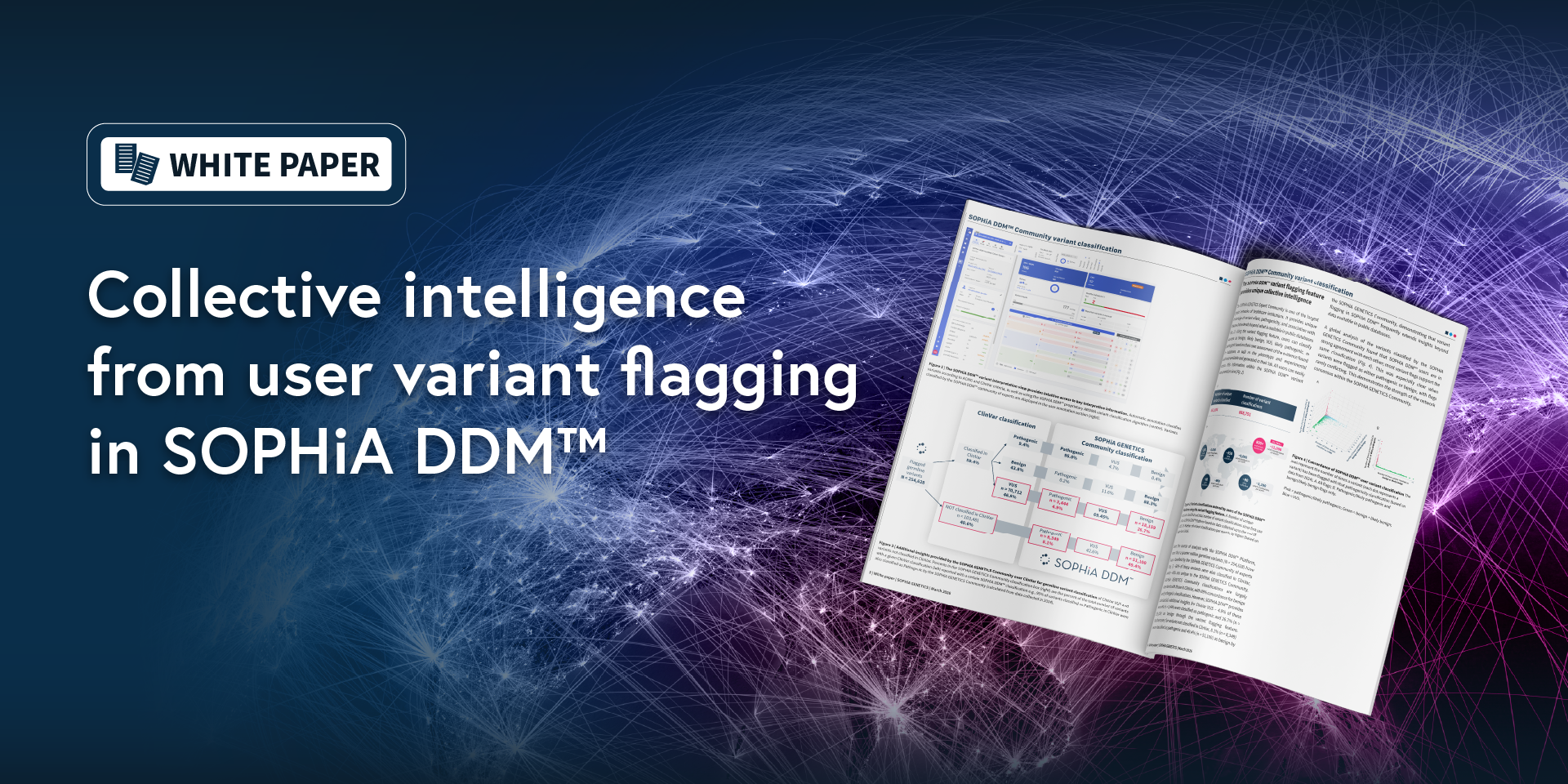
Explore how the SOPHiA DDM™ variant flagging feature enables you to tap into a global network of expertise, accelerating variant interpretation and increasing confidence in your classifications.
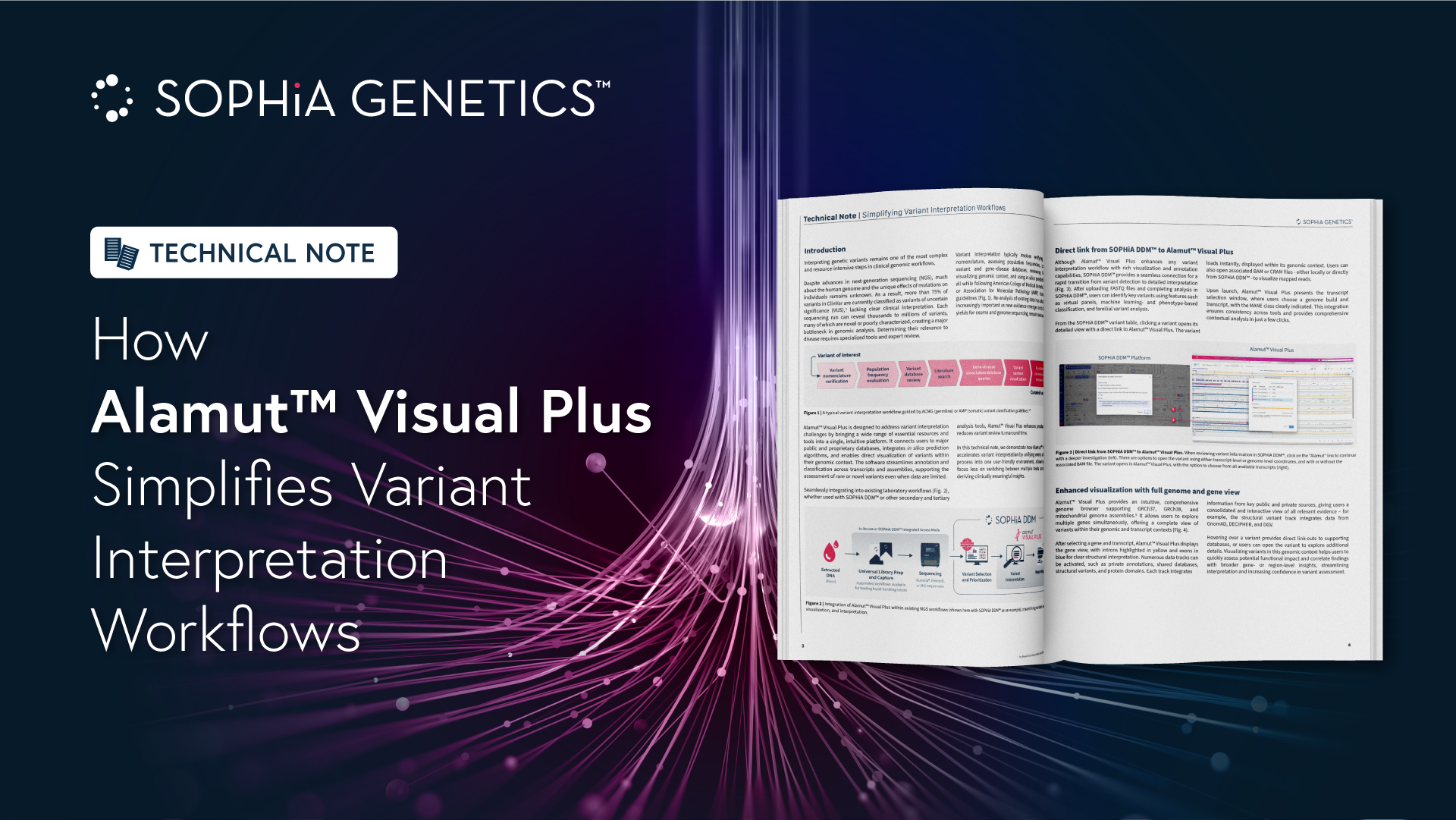
Discover how Alamut™ Visual Plus helps you navigate variant interpretation evidence faster and with greater confidence in this clear, practical guide.
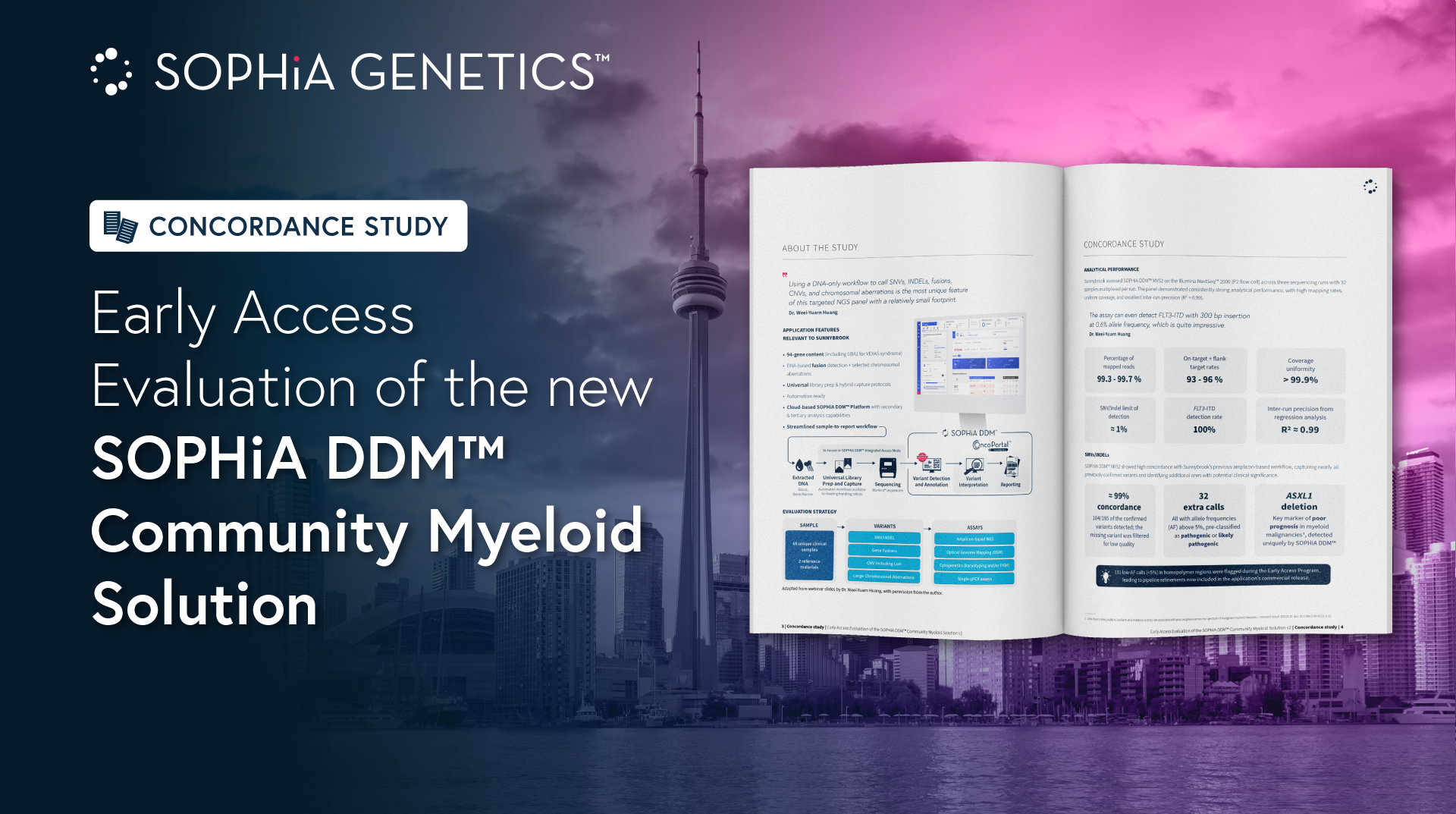
Adapted from Dr. Wei-Yuarn Huang's (Sunnybrook Health Centre, Ontario, Canada) presentation during the webinar "Evaluating Next-Generation Sequencing Solutions for Real-World Clinical Needs in Myeloid Malignancy," with permission from the author - This concordance study demonstrates the strong analytical performance of SOPHiA DDM™ MYS2 and its potential to streamline and consolidate myeloid genomic analysis within a […]

Routine pharmacogenomic (PGx) testing has significant potential to improve drug efficacy and safety.

We’re often asked how we avoid overfitting when developing predictive machine learning models for clinical research. This technical note explains how.
BRCA1/2 testing can inform which prostate cancer patients might respond to PARP inhibitors (PARPi). Having a better understanding of BRCA1/2 testing practices in the real-world setting can provide valuable insights into identifying gaps and opportunities to improve the identification of metastatic prostate cancer (mPC) patients who may benefit from PARPi treatment. In this study we […]
The identification of exon-specific EGFR mutations can guide the appropriate treatment of lung cancer with tyrosine kinase inhibitors (TKIs) or alternative targeted therapies. This project aimed to explore the landscape of next-generation sequencing (NGS) testing practices for EGFR mutations in clinical practice in a subset of European countries, to determine the potential number of individuals with lung cancer that […]
SOPHiA GENETICS products are for Research Use Only and not for use in diagnostic procedures unless specified otherwise.
SOPHiA DDM™ Dx Hereditary Cancer Solution, SOPHiA DDM™ Dx RNAtarget Oncology Solution and SOPHiA DDM™ Dx Homologous Recombination Deficiency Solution are available as CE-IVD products for In Vitro Diagnostic Use in the European Economic Area (EEA), the United Kingdom and Switzerland. SOPHiA DDM™ Dx Myeloid Solution and SOPHiA DDM™ Dx Solid Tumor Solution are available as CE-IVD products for In Vitro Diagnostic Use in the EEA, the United Kingdom, Switzerland, and Israel. Information about products that may or may not be available in different countries and if applicable, may or may not have received approval or market clearance by a governmental regulatory body for different indications for use. Please contact us to obtain the appropriate product information for your country of residence.
All third-party trademarks listed by SOPHiA GENETICS remain the property of their respective owners. Unless specifically identified as such, SOPHiA GENETICS’ use of third-party trademarks does not indicate any relationship, sponsorship, or endorsement between SOPHiA GENETICS and the owners of these trademarks. Any references by SOPHiA GENETICS to third-party trademarks is to identify the corresponding third-party goods and/or services and shall be considered nominative fair use under the trademark law.