
Menu
Menu
Precision oncology is transforming cancer care by tailoring treatment decisions to the unique molecular profile of each patient’s disease. Central to this approach is biomarker testing – however, no single test can capture the full biological complexity of cancer. Tissue biopsy and liquid biopsy can be complementary tools that answer different but equally important clinical questions, achieving a complete and dynamic molecular picture.
In this blog, we will explore insights from the ROME trial, which highlight the potential value of integrating both biopsy modalities for solid tumor analysis1.
Why two biopsies may be better than one
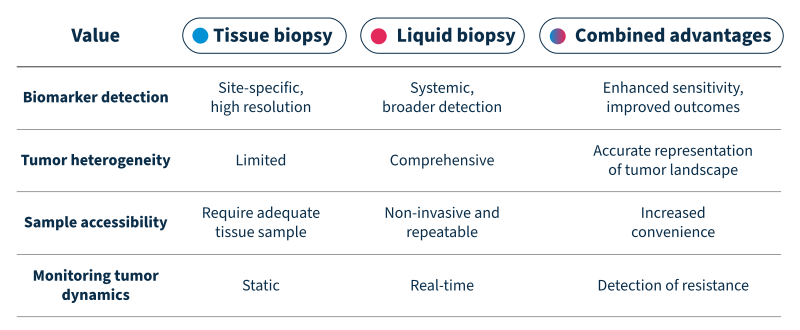
Tissue biopsy remains the cornerstone of cancer diagnostics, providing histology, tumor grading, and a deep view of local genomic alterations within a specific lesion. It is essential to confirm tumor type and assess immuno-oncology biomarkers such as microsatellite instability (MSI) and tumor mutational burden (TMB). However, tissue sampling is invasive, may not be repeatable, and captures only a snapshot from one tumor region at a single time point, potentially missing spatial and temporal heterogeneity2.
Liquid biopsy, by contrast, uses circulating tumor DNA to give a minimally invasive, real‑time snapshot of the genomic landscape across multiple tumor sites. It enables dynamic monitoring of treatment response and resistance mechanisms and can better reflect metastatic disease2, but may miss alterations in low-shedding tumors and does not provide histologic context3.
Together, the complementary strengths of both approaches may offer a combined strategy that provides a more complete molecular picture than either approach alone.
Inside the ROME trial design
The ROME trial was a phase II, multicenter, randomized study that enrolled 1,794 adults with advanced solid tumors in second or third line of therapy, regardless of histology. All patients underwent next‑generation sequencing on both tumor tissue and plasma with results reviewed by a centralized molecular tumor board (MTB). When actionable alterations were identified, 400 patients were randomized 1:1 to receive MTB‑guided tailored therapy (TT; targeted or immunotherapy) or standard-of-care (SoC) selected by the treating clinician, with crossover allowed at progression1.
The MTB integrated genomic data, clinical status, and actionability frameworks (including ESMO ESCAT) to recommend treatments, using defined variant allele frequency thresholds for tissue and liquid samples. This design allowed a unique assessment of how concordance or discordance between tissue and liquid biopsy results influences real‑world decisions and outcomes in a pan‑tumor setting1.
Concordance: how often tissue and liquid agree
In ROME, concordance was defined as the same actionable alteration being detected in both tissue and liquid biopsies and forming the basis for MTB‑recommended treatment. Under this definition, 49.2% of MTB‑indicated alterations were concordant (T+L group), while 34.8% were actionable only in tissue (T group) and 16.0% only in liquid (L group). Discordance arose from biological and technical factors, including molecular alteration discrepancies (particularly in PI3K/PTEN/AKT/mTOR and ERBB2 pathways), test failures (about 20% of discordant cases), and challenges in liquid-based biomarker detection such as TMB1.
What concordance means for patient outcomes
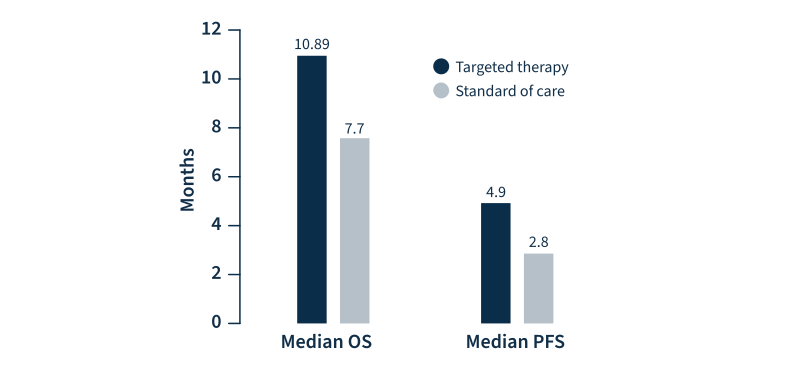
The most striking result from ROME is that patients with concordant actionable alterations in both tissue and liquid biopsies derived the greatest benefit from tailored therapies. In the concordant T+L group, patients receiving TT achieved1:
When focusing only on patients in the TT arm, survival followed a clear gradient1:
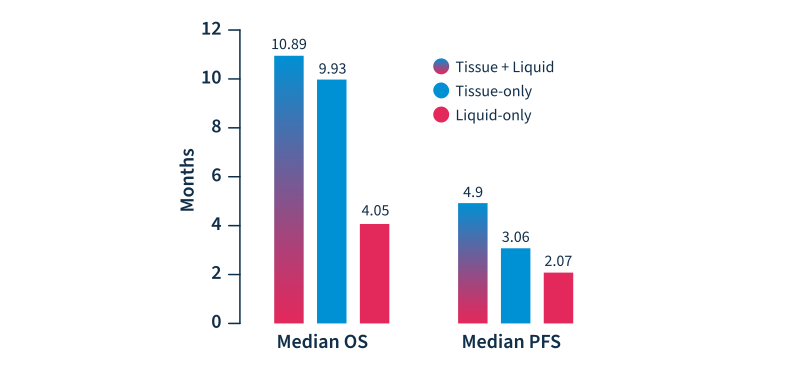
Patients with truly discordant molecular results had shorter overall and progression‑free survival than those with concordant profiles, supporting concordance as a potential predictive biomarker for the efficacy of matched therapy. Importantly, the survival advantage of concordant profiling was consistent across subgroups defined by tumor fraction and metastatic burden, indicating that its predictive value is robust to differences in shedding and disease extent1.
Implications for precision oncology
Findings from the ROME trial reinforce that tissue and liquid biopsies are not interchangeable but synergistic components of a modern precision oncology strategy.
Tissue biopsy remains indispensable for diagnosis, histopathology, and certain genomic events, while liquid biopsy broadens coverage across metastatic sites and over time, particularly when repeated sampling is needed. Integrating both modalities, supported by expert MTBs and comprehensive genomic profiling, maximizes the chance of detecting clinically actionable alterations and selecting patients who can truly benefit from targeted or immunotherapies1. Consistent with this, a study of 146 lung cancer patients undergoing matched tissue and plasma NGS using the same panel content reported patient‑level concordance of 83.6% and high sensitivity (≥85%) for several actionable drivers, including EGFR 19del, ALK and RET fusions, KRAS p.G12C and BRAF V600E, while also revealing subsets with tissue‑ or plasma‑specific variants4. These data underscore that liquid biopsy can function as a complementary tool to tissue biopsy, revealing both concordant variants and biopsy-specific variants when panel content is shared.
For clinical practice and trial design, ROME suggests several priorities: routinely pairing tissue and liquid profiling where feasible, explicitly considering concordance as a stratification or enrichment factor, and investing in advanced bioinformatic tools that reduce discordance and test failures1. As liquid biopsy platforms evolve and multimodal data integration matures, leveraging concordant insights from both biospecimens will be central to delivering on the promise of precision oncology for patients with advanced solid tumors.
This promise is increasingly recognized amongst healthcare experts. In a recent Delphi consensus endorsed by Italian scientific societies, most of the experts stated the importance of having both the data from tissue and liquid biopsy to integrate information from the two approaches (within a recommended ≤2-week sampling window), potentially yielding the maximum diagnostic accuracy and offering insights into the spatial-temporal heterogeneity of the disease5. However, the best testing approach – whether complementary or sequential – should be evaluated on a case-by-case basis with consideration of the patient's clinical history.
Capture the full molecular picture with SOPHiA DDM™
The SOPHiA DDM™ Platform provides seamless, end-to-end solutions for tissue and liquid biopsy, integrating powerful analytics with intuitive interpretation support to drive deeper insights and advance oncology research.
Healthcare institutions can benefit from:
With the SOPHiA DDM™ Platform, users gain access to the SOPHiA GENETICS Community, one of the largest global networks of connected healthcare institutions. Aggregated variant insights from anonymized data build collective intelligence across multiple disorders, further supporting confident, informed decision-making.
SOPHiA GENETICS products are for research use only, not for use in diagnostic procedures unless otherwise stated.
References
We spoke with Dr. Samantha Butler, Senior Principal Clinical Scientist and Solid Cancer Lead at the West Midlands Regional Genetics Laboratory — hosted by Birmingham Women’s and Children’s NHS Foundation Trust and one of the UK’s largest genomics facilities and the lead provider for the Central and South Genomic Laboratory Hub (C&S GLH) within NHS England.
As hereditary cancer testing expands beyond clinical genetics and into mainstream care, laboratories across the NHS are under increasing pressure to deliver higher volumes, faster turnaround times, and consistent interpretation across sites. In this conversation, Dr. Butler shares how the SOPHiA DDM™ Hereditary Cancer Solution v2.0, recently automated on Hamilton’s NGS STAR liquid handling platform, helps her team address these challenges and how SOPHiA DDM™ end-to-end solutions can enable a seamless transition to more integrated and distributed genomic analysis across the C&S GLH network.
Watch the spotlight:
Could you introduce yourself and your work at the West Midlands Regional Genomics Laboratory?
My name is Samantha Butler. I'm a Senior Principal Clinical Scientist at the West Midlands Regional Genomics Laboratory. I'm also an Honorary Associate Professor at the University of Birmingham, and I've worked here for probably the last 13 years, in the role of Solid Cancer Lead. That covers inherited cancer and solid tumors.
What role does your lab play in supporting hereditary cancer testing in the region?
We test about 4,500 patients per year, across a range of hereditary cancers—for example breast cancer, hereditary colorectal cancer, prostate cancer, and pancreatic cancer. We also provide testing for specialist services, such as inherited melanoma and VHL.
We run a number of different panels, including larger gene panels, but we also still do single-gene testing where that’s appropriate.
What challenges does your lab and others in the NHS face in delivering this testing?
All of the laboratories across the UK are facing the same challenges. We are really up against it with turnaround times, and with the volume of testing, which is continually increasing as hereditary cancer testing becomes available to more patients through mainstreaming, rather than just through clinical genetics.
All of the laboratories across the UK are facing the same challenges. We are really up against it with turnaround times, and with the volume of testing, which is continually increasing as hereditary cancer testing becomes available to more patients through mainstreaming, rather than just through clinical genetics.
A typical workflow for us is receiving samples, extracting them, and then putting them through a next-generation sequencing workflow to interpret and report clinically. The main challenge is trying to make every part of that process quicker.
How has the SOPHiA DDM™ Hereditary Cancer Solution impacted your day-to-day?
We've been using the SOPHiA DDM™ Hereditary Cancer Solution for approximately a year now. We moved to it because we wanted to consolidate our copy number analysis and our SNV—or single nucleotide variant—analysis on the same panel, to have a more cost-effective and faster solution.
Previously, we were running an SNV panel and then doing MLPA for copy number analysis. Moving to an integrated NGS panel has benefits beyond turnaround time. It means we don’t have to run MLPA on top, which saves both cost and time.
What benefits do you expect from the new generation web-based SOPHiA DDM™ Platform?
We’re hoping to move to the new SOPHiA DDM™ Platform so that all of our scientists can portal in to do the analysis. That has clear benefits, particularly in not needing everyone to be on site all of the time.
We’ve also worked with SOPHiA GENETICS on a customized report to get an output that works well for us. There are benefits in how the CNV data are presented, and we’re quite excited about using it. The platform also has the ability to flag variants and show how things have been reported previously.
How could SOPHiA DDM™ Dispatch support your distributed analysis goals?
We’re looking at using SOPHiA DDM™ Dispatch across the Central and South GLH. It allows us to do the wet-lab work in one place, while distributing the analysis out to other laboratories, which would be hugely beneficial.
Dispatch provides a simple ordering system that ties in with samples being physically sent to us. When you’re running 48 samples, a real benefit is being able to flag and grey out those that will go back to another laboratory for distributed analysis.
It helps reduce turnaround times, because instead of worrying about sending files back, the data can be accessed directly through each lab’s own SOPHiA DDM™ account.
How do you see the SOPHiA DDM™ Peer Networks enhancing variant interpretation?
Variant interpretation is a huge burden on the NHS and on individual laboratories. The more we can share data, the better. Being able to flag variants that others have seen before, and to share notes or learnings from previous cases, would be so beneficial.
In the UK, we’re always looking for better ways to gather and apply this data. While there are national guidelines, there are also individual guidelines that need to be applied. If Peer Networks can provide visibility and shared learning, that has huge benefits—it allows updates to be shared across multiple parties, rather than keeping knowledge siloed within individual labs.
How do you see genomic analysis evolving in the NHS UK in the coming years?
In the coming years, we’re only going to be doing more hereditary cancer testing. More patients will want to know their hereditary cancer status, not just to guide their own treatment, but also to help manage risk within families.
Being able to use tools that support rapid testing and shared interpretation will be essential. They allow us to keep moving forward and to do more and more of this work—which is exactly what we’re going to need to do.
Streamlining is really important. If we can find ways to improve workflows and reduce analysis and reporting time, that benefits the service and, ultimately, the patients. We need results quickly to get patients onto the right drugs, and with more treatment options emerging, this is a really exciting area to see develop.
Discover how SOPHiA DDM™ supports scalable hereditary cancer analysis
Speak with our team to see how the SOPHiA DDM™ for Hereditary Cancers can help optimize workflows across your laboratory.
To learn more about streamlining interpretation and enabling distributed analysis, request a demo of SOPHiA DDM™ Dispatch and Peer Networks.
Precision medicine is redefining what’s possible in pediatric cancer care. At Hospital de Amor in São Paulo, Brazil, clinicians are using genomic profiling research to reveal valuable insights for young patients facing aggressive tumors. Gustave Ramos Teixeira, M.D. shared with us the story of one such case, where next-generation sequencing (NGS) revealed a key genetic fusion that changed the course of care.
An infant was referred to Hospital de Amor with a suspected malignant brain tumor. Imaging revealed a 5 cm mass, which was surgically removed by the hospital’s neurosurgery team. Laboratory analysis confirmed a high-grade glioma, an aggressive cancer with a median overall survival of 14–20 months after optimal therapy1.
To explore potential alternative treatment options, the team performed NGS to identify possible gene fusions, as these tumors in young patients are often associated with kinase alterations. The analysis – powered by a solid tumor solution on the SOPHiA DDM™ Platform – identified a specific kinase receptor fusion, uncovering impactful insights that could provide support to the patient’s future care journey.
The child has remained healthy and free of neurological complications for four years, without the need for additional surgeries or a different chemotherapy approach. This case highlights how world-class algorithms, real-time insights, and the collective intelligence of the SOPHiA GENETICS community can help support better outcomes for patients.
1. Hatoum R, et al. JAMA Netw Open. 2022;5(8):e2226551.
SOPHiA GENETICS products are for Research Use Only (RUO) and not for use in diagnostic procedures, unless specified otherwise. Clinical interpretation and patient management decisions are the sole responsibility of qualified healthcare professionals. Patient case shared with permission and anonymized for educational purposes.
Question 1
To start, for those of us who are unfamiliar with GPUs, could you explain how GPU acceleration improves the speed of genomic analysis compared to traditional CPU-based methods?
Jason, NVIDIA
Graphics processing units (GPUs) are exceptional at accelerating processes that are highly parallelizable, meaning processes that require many computations which do not depend on previous calculations or steps. Unlike central processing units (CPUs), which typically only have a maximum of a few dozen cores, NVIDIA GPUs have thousands of cores. Many algorithms in genomics, including alignment and variant calling, are better suited to parallel computing. For example, determining the alignment of one read does not depend on first determining the alignment of the previous read.
Question 2
How does NVIDIA accelerate specific steps in genomic data processing pipelines, such as alignment and variant calling?
Jason, NVIDIA
NVIDIA Parabricks is a scalable genomics software suite for secondary analysis that provides GPU-accelerated versions of trusted, open-source tools. By accelerating these gold-standard bioinformatics tools that can take hours to run on CPU, Parabricks provides speedups of up to 100x while maintaining accuracy of the open-source versions.
Question 3
How does NVIDIA Parabricks handle the complexity of genomic data to ensure accuracy and reliability while still achieving high speeds?
Jason, NVIDIA
Speed is not always the primary concern. Accuracy and reliability is paramount in bioinformatic pipelines. That’s why GPU-accelerated tools within Parabricks provide equivalent results to the gold-standard community versions. Parabricks also includes tools such as Giraffe, a pangenome aligner from the University of California, Santa Cruz (UCSC), which has been shown to be more accurate when paired with Google’s DeepVariant than other leading alignment tools.
Question 4
Could you share any real-world examples where Parabricks accelerated time to insights, particularly in clinical or research applications?
Jason, NVIDIA
Parabricks has helped multiple organizations dramatically reduce analysis time - including the Francis Crick Institute saving nine years of processing time in their TRACERx EVO study, which aims to understand tumor evolution in non-small cell lung cancer with whole genome sequencing. More recently, NYU Langone Health achieved a 10x improvement in variant calling runtimes for their deciphEHR project, enabling them to scale towards their goal of sequencing 100,000 genomes and advancing genomic medicine for research and clinical utility.
Parabricks saved the Francis Crick Institute 9 years of processing time
Question 5
Could you share some technical details on how NVIDIA Parabricks and DeepVariant efficiently manage large-scale sequencing data, such as through compression or processing algorithms?
Jason, NVIDIA
DeepVariant is a deep-learning based variant caller, which actually applies concepts from computer vision to genomics. It utilizes convolutional neural networks (CNNs) to determine true variants and sequencing errors from pileup images. Deploying DeepVariant on GPUs allows for efficient inference of this model and provides high throughput analysis at scale.
Question 6
What were some of the technical challenges NVIDIA faced when optimizing Parabricks for genomic data, and how were they overcome?
Jason, NVIDIA
One of the most difficult challenges is understanding the code base of these community tools. Since Parabricks replicates the results of open-source tools in its GPU-accelerated versions, a deep understanding of the original code is required. Thankfully, we collaborate with the teams that develop these community tools, such as the Broad Institute, Google, and UCSC. These collaborations allow for us to interact directly with the developer teams and validate our work.
Question 7
Can you tell us about the collaboration between NVIDIA and SOPHiA GENETICS in developing SOPHiA DDM™ for Whole Genome Sequencing, and how NVIDIA’s technologies were integrated into the workflow?
Jason, NVIDIA
SOPHiA GENETICS has integrated Parabricks alignment and variant calling tools into its SOPHiA DDM™ whole genome sequencing application. This integration delivered a tenfold acceleration in alignment, significantly speeding up whole-genome data analysis while reducing turnaround times and associated computational costs.
Parabricks integration delivered 10x faster alignment,
reducing SOPHiA DDM™ WGS turnaround times
Question 8
What have been the key successes and learnings from this collaboration that have contributed to creating a faster and more scalable genomic solution?
Jason, NVIDIA
It has been a great experience working with the SOPHiA GENETICS team and playing a part in their mission to democratize access to data-driven medicine. Providing an accelerated whole genome sequencing solution brings comprehensive genetic analysis to the clinic and enables identification of rare diseases that other methods can miss.
Question 9
Finally, how do you see the role of GPUs and AI evolving in the field of clinical genomics over the next few years?
Jason, NVIDIA
As the cost of sequencing continues to come down, data analysis and bioinformatics will continue to become more of a bottleneck in terms of both time and cost. These bottlenecks can be removed by accelerating analysis on GPUs and leveraging the latest methods in AI. This will enable faster time from analysis to insight, democratizing whole genome sequencing in clinical genomics.
Another evolving area is multimodal AI models that integrate genomic data with electronic health records and imaging to make patient-specific predictions. These models' ability to better predict treatment outcomes and match patients to the most effective treatments, has real promise for delivering more effective and precise care.
As whole genome sequencing is increasingly adopted in clinical genomics, computational performance and scalability have become key constraints, particularly for alignment and variant calling in high-throughput settings. GPU-accelerated solutions such as NVIDIA Parabricks help address these challenges by significantly reducing secondary analysis time while preserving the accuracy required for clinical-grade interpretation.
To learn more about how SOPHiA GENETICS supports efficient and scalable clinical WGS analysis, explore SOPHiA DDM™ for Whole Genome Sequencing.
Interpreting genetic variants remains one of the most complex and resource-intensive steps in clinical genomic workflows. This technical note outlines how Alamut™ Visual Plus addresses these challenges by unifying essential annotations, prediction tools, and visualization features within a single, intuitive platform that integrates seamlessly into existing laboratory processes.
Read on for a practical overview of how Alamut™ Visual Plus streamlines and enhances variant interpretation workflows.
Dr. Gilles Millat, Laboratory of Molecular Cardiogenetics, Hospices Civils de Lyon, France.
For more than two decades, Dr. Millat has focused on the genetics of hereditary cardiac disorders at the University Hospital of Lyon. Originally trained in molecular biology, his work evolved from lysosomal storage disorders to inherited cardiac diseases, particularly cardiomyopathies and cardiac arrhythmias.
These disorders present important interpretive challenges:
Hypertrophic and dilated cardiomyopathies alone affect approximately 1 in 200-500 individuals. As demand for genetic testing grows, his laboratory expects to process ~5,000 cases in 2025, including 2,500 new probands, with volumes increasing 10–20% each year.
Dr. Millat’s laboratory has used SOPHiA DDM™ for more than a decade, now integrated as a central element in the analysis workflow. He highlights three key benefits:
“With just a few clicks, we can access everything needed to process a patient’s file from A to Z in only a few minutes.”
To date, nearly 15,000 patient cases have been analyzed, with approximately 700 variants per case, all systematically classified on a scale of 1-5.
In addition to the core platform, the SOPHiA DDM™ Peer Network enables some expert cardiogenetics labs across France to share variant interpretations. This collective expertise provides confirmation and confidence for complex cases.
Case example: Filamin C variant reclassification
A 70-year-old patient with hypertrophic cardiomyopathy presented with a rare FLNC variant. Although evidence supported pathogenicity, concerns about background noise led the Lyon team initially to classify it as a Variant of Uncertain Significance (VUS - Class 3).
Through the Cardio Peer Network, they found that colleagues in CHU Nantes had seen the same variant, also classified as a VUS, with a highly similar phenotype. Collaborative review allowed both teams to upgrade the classification to Class 4 (likely pathogenic).
This reclassification enabled relatives in both families to be offered presymptomatic testing, supporting earlier surveillance and informed management decisions.
“Without the Cardio Peer Network, we would have kept this variant as Class 3. Clearly, the Cardio Peer Network helped us.”
Together, SOPHiA DDM™ and the Cardio Peer Network have enabled scale, precision, and expertise sharing at CHU de Lyon, improving variant classification and informing care for patients and families affected by inherited cardiac pathologies.
Interested in SOPHiA DDM™ Peer Networks?
Connect with our team to learn how your laboratory can contribute to advancing variant classification in your field of expertise.
The opinions expressed during the video are those of the speaker and may not represent the opinions of SOPHiA GENETICS.
Any use of SOPHiA GENETICS products described in the video may not have been cleared or approved by Regulatory Authorities.
SOPHiA DDM™ Solutions are For Research Use Only unless otherwise specified.
For individuals living with undiagnosed rare conditions, the journey to answers is often long and filled with uncertainty. At SOPHiA GENETICS, we support partners around the world to help bring clarity through advanced genomic analysis. One such story comes from São Paulo, Brazil, where a woman’s decades-long search for answers finally came to an end thanks to the work of the Bioma Genetics Laboratory.
The patient, a 44-year-old woman, had lived her entire life struggling with unexplained symptoms. Her skin was unusually thin and stretchy, her joints overly flexible, her bones so fragile that even minor impacts caused fractures, and she had never been able to have children.
Despite years of consultations, her symptoms remained undiagnosed, leaving her without answers or effective treatment options.
Eventually, her doctor referred her to Bioma Genetics, with the hope of finding molecular evidence to support a suspected diagnosis.
Dr. Rafael Malagoli’s team at Bioma Genetics performed genetic testing using the SOPHiA DDM™ Whole Exome Solution v2 and identified two homozygous pathogenic mutations. These mutations confirmed the clinical suspicion of Ehlers-Danlos syndrome (EDS), a rare inherited connective tissue disorder.
For the patient, this diagnosis was life changing. She finally had a scientific explanation for the challenges she had faced her entire life - her skin and joint symptoms, her bone fragility, and her infertility. The emotional weight of decades of uncertainty was eased.
Empowered with this knowledge, she began connecting with others living with EDS. These new connections gave her access to community support, shared experiences, and practical advice on managing her condition. It also opened the door to personalized care and more informed decision-making.
So meaningful was the result that she personally visited the Bioma Genetics team to thank them. Her gratitude reflected not only the significance of receiving a diagnosis, but also the sense of agency and peace it finally brought her after decades of uncertainty.
This story underscores the transformative potential of genomic medicine, particularly when combined with the right tools, such as the SOPHiA DDM™ Platform, and the expertise of dedicated laboratories like Bioma Genetics. For clinicians and laboratories working with rare and inherited disorders, genomic analysis is more than a technical solution, it’s a path to answers that can change lives.
And for patients like this woman, it’s a reminder that understanding your genome can be the key to reclaiming your story.
SOPHiA DDM™ Whole Exome Solution v2 is for Research Use Only (RUO) and not for use in diagnostic procedures. Clinical interpretation and patient management decisions are the sole responsibility of qualified healthcare professionals. Patient case shared with permission and anonymized for educational purposes.
Table of contents
Gene fusions: what are they and their relevance in myeloid malignancies
Gene fusions occur when two independent genes become abnormally joined, creating a hybrid gene. These events can result from missplicing at the RNA level or structural rearrangements at the DNA level due to damage and faulty repair processes. Such rearrangements often include chromosomal translocations, interstitial deletions, and inversions1
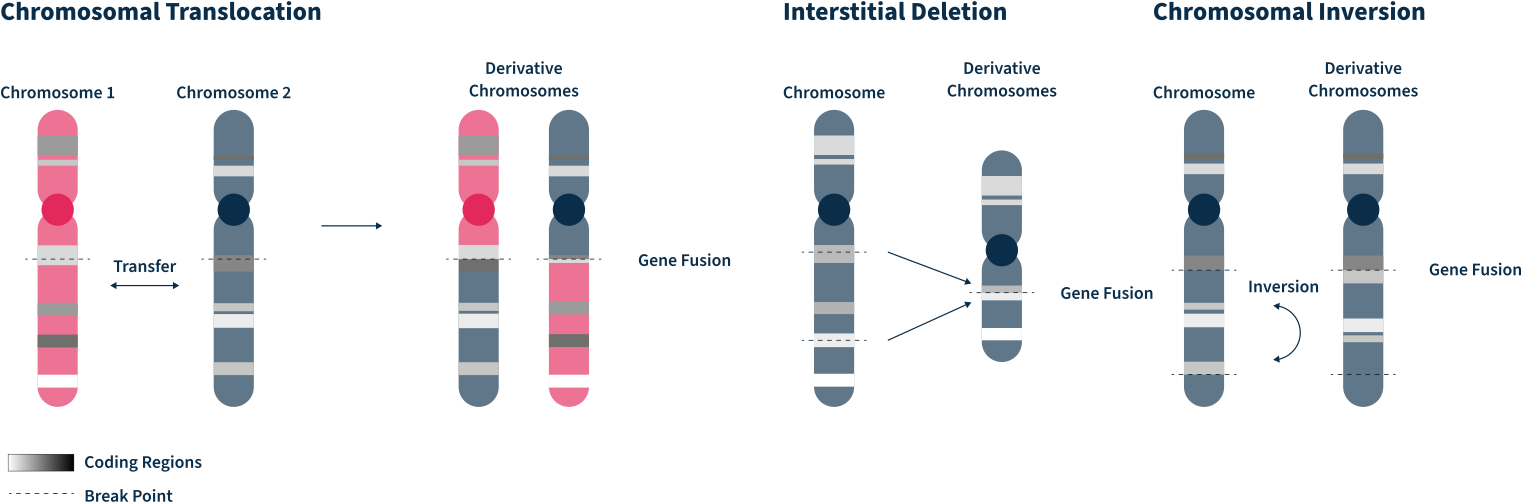
The resulting fusion involves a driver gene and one or more partner genes, joined at specific breakpoints that give rise to different fusion isoforms. These hybrid genes often encode abnormal fusion proteins that can hijack key cellular processes and promote oncogenesis.
A landmark example is the Philadelphia chromosome in chronic myeloid leukemia (CML), a translocation between chromosomes 9 and 22 that produces the BCR::ABL1 fusion gene. This discovery transformed CML treatment and paved the way for targeted therapies such as imatinib, a tyrosine kinase inhibitor (TKI) that dramatically improved patient survival[1].
Since then, numerous other fusion genes involving tyrosine kinases have been identified in myeloproliferative malignancies, including:
These findings define a subgroup of disorders now classified as myeloid neoplasms with eosinophilia and abnormalities in PDGFRA, PDGFRB, or FGFR1. But while fusions involving PDGFRA and PDGFRB respond well to imatinib, FGFR1-driven diseases do not, highlighting the critical need for accurate and timely fusion detection2.
Beyond tyrosine kinase fusions, several other fusion genes play critical roles in blood cancers and carry important diagnostic and prognostic implications3:
Traditional cytogenetic techniques, such as chromosomal banding, alongside molecular methods like fluorescence in situ hybridization (FISH), gene fusion microarrays, and PCR/RT-PCR, were among the earliest clinical assays developed to detect fusion genes.
Today, these approaches remain highly sensitive and are routinely used for orthogonal confirmation of fusion findings, helping ensure diagnostic accuracy. However, they remain hard to scale due to their inherent limitations:
While still indispensable in many diagnostic workflows, these methods are increasingly being complemented by next-generation sequencing (NGS) technologies.
NGS-based approaches have dramatically expanded the scope of fusion detection, uncovering previously undetectable events and enabling a more comprehensive view of the genomic landscape. When integrated with traditional methods, these advanced tools help streamline diagnostics and improve clinical decision-making in the context of myeloid malignancies5.
Targeted capture panels based on DNA or RNA offer a focused and efficient approach to detecting gene fusions. These panels rely on custom-designed probes that target regions commonly involved in fusion breakpoints1,2,5.
In DNA-based NGS, probes aim to capture intronic regions where fusion breakpoints often occur. In this case, probe design and bioinformatic analysis pipelines play a key role in the sensitivity of the detection. Since fusion breakpoints frequently lie in large intronic regions that are GC-rich, repetitive, and structurally complex, this can impact capture efficiency and analysis complexity.
Despite these challenges, DNA-based capture panels remain valuable for:
RNA-based NGS, by contrast, offers several advantages. Rather than capturing introns, RNA methods detect exon–exon junctions, which directly indicate the presence of expressed fusion transcripts. This simplifies probe or primer design and improves detection in regions that are difficult to sequence from DNA. RNA-based approaches are generally more sensitive than DNA-based ones and are especially useful for identifying expressed, clinically relevant fusions, including those with unknown or variable breakpoints.
However, RNA-based fusion detection is not without challenges:
Despite these challenges, RNA sequencing remains a powerful tool, often used in tandem with DNA-based methods to increase confidence in fusion calls. In practice, DNA- and RNA-based approaches are complementary. DNA sequencing enables broader biomarker profiling from stable material, while RNA provides functional confirmation and increased detection sensitivity. Together, they support a more comprehensive understanding of gene fusions in myeloid malignancies.
DNA-based fusion detection within the SOPHiA DDM™ Platform is driven by a two-pronged strategy that combines optimized probe design with advanced algorithmic analysis:
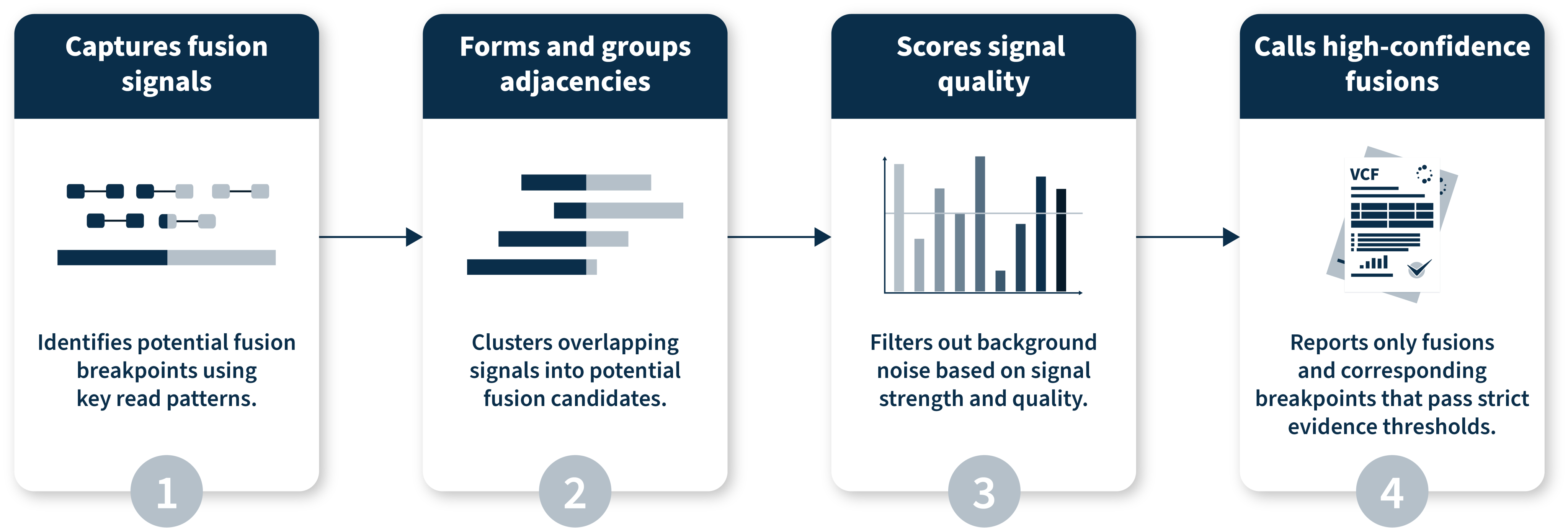
CARDAMOM pinpoints potential fusion events (also referred to as adjacencies) by analyzing two key signals in sequencing data:

Once key read signals are detected, CARDAMOM clusters them into candidate breakpoints and applies a rigorous multi-step process to ensure only high-confidence fusions are reported. This fusion-calling workflow is designed to maximize sensitivity while maintaining analytical precision.
Discover how our comprehensive application, SOPHiA DDM™ Community Myeloid Solution, enables confident fusion detection in clinical samples.
Webinar: Evaluating Next-Generation Sequencing Solutions for Real-World Clinical Needs in Myeloid Malignancy → Watch the webinar
Visit our SOPHiA DDM™ Community Myeloid Solution page to learn more about this application.
References
At the 2025 American College of Medical Genetics and Genomics (ACMG) annual meeting in Los Angeles, we hosted a focused session on the role of exome and whole genome sequencing (WGS) in clinical and research settings. The goal was to spark conversation about available technologies, implementation challenges, and future strategies. Four expert speakers shared insights on clinical utility, followed by a lively audience Q&A.
This blog captures key takeaways from the event, including when and why broader testing is preferred over targeted panels, how to optimize virtual panels, and reimbursement realities. Whether you’re a lab director, clinician, or genetic counselor, these insights offer timely guidance.
Historically, targeted panels have been the cornerstone of many diagnostic workflows. However, as our understanding of gene-disease associations evolves, so too must our approach to testing.
Exome sequencing can adapt to the dynamic nature of clinical genetics. Take carrier screening, for example. As Mahmoud Aarabi, Medical Director of UPMC Cytogenetics Laboratories, explained, the list of genes recommended for autosomal recessive and X-linked carrier screening by ACMG1 is continuously updated based on new phenotypic and population data. Rather than continually revising panel content, exome sequencing provides a flexible, future-ready alternative. Phenotyping also plays a critical role. In prenatal testing, complete phenotyping can boost exome diagnostic yield by 7–10%.2
Jeanette McCarthy, Principal Consultant at Zifo, emphasized how labs can maximize efficiency using virtual panels (slice panels) to analyze exome data. With this approach, labs validate the wet lab component once and can then revise gene content as needed without extensive revalidation.
But designing virtual panels well requires careful forethought. She recommended selecting only genes with robust disease-gene validity, accounting for technically challenging targets (e.g., SMN1, PMS2), and avoiding copy number variation (CNV) analysis for genes that lack sufficient evidence of a loss-of-function mechanism. Additionally, genes should be excluded when the only relevant variant types cannot be reliably detected by exome sequencing - for example, including ATXN7 is unhelpful due to exomes’ inability to detect repeat expansions.
Exome sequencing consistently delivers higher diagnostic yield and cost savings compared to traditional approaches
Joe Jacher, Genomenon and trained genetic counselor, highlighted the clinical and economic case. “You can save $20,000 by skipping from microarray straight to exome,” he noted, citing peer-reviewed research.3 Indeed, the literature supports exomes/genomes as first- or second-tier tests for congenital anomalies or intellectual disability.4 For neurodevelopmental disorders (NDDs), exome sequencing outperforms chromosomal microarray analysis in both diagnostic yield and cost-effectiveness when used early.4,5
One of the largest challenges to broader adoption of exome and genome sequencing in clinical settings is insurance coverage. Despite proven utility, reimbursement remains inconsistent and often favors exome over genome sequencing, which is often restricted to research use.
In pediatric oncology, for example, current guidelines may still prioritize legacy tests like karyotyping and FISH over broader sequencing approaches, even when those legacy tests fall short of delivering a diagnosis.
To navigate this, some labs are adopting hybrid models. At Stanford Medicine, clinical panels are run on a genome backbone, enabling targeted reporting first, with the option for expanded analysis later if required. It also positions the lab for a future where broader genome analysis becomes more widely accepted and reimbursed.
If insurers continue to favor exomes, exome-on-genome workflows may be a practical interim solution to futureproof workflows and streamline reanalysis as new insights emerge.
WGS offers some clear technical advantages. It covers both coding and non-coding regions, provides more uniform coverage than exomes, and captures structural variants and repeat expansions with greater accuracy.
Jennefer Carter, Senior Genetic Counselor and part of the Stanford Undiagnosed Diseases Network (UDN), described how WGS delivered diagnoses in cases where exome sequencing would have failed. Among 283 Stanford UDN patients, WGS revealed diagnoses in cases involving CNVs/structural variants, repeat expansions, and non-coding variants – challenging variant types often missed by exomes.
Genome sequencing is where we’re headed - but exomes are the most practical, reimbursable, and clinically validated tool we have right now
Audience members agreed. One noted that "genome + RNASeq is the way forward," pointing to savings from eliminating multiple legacy tests. But RNASeq has its own limitations, such as with conditions affecting tissues where genes are not expressed in the blood.
Moreover, there were warnings of variability in commercial genome testing. Some labs restrict genome interpretation to just 10 bp into introns unless another variant prompts deeper review. Transparency and education are essential to ensure providers understand what their patients are receiving.
Despite historical limitations, some institutions are already shifting toward genome-first approaches. A genetic counselor from Children's Hospital Los Angeles noted that their team now defaults to WGS for most send-outs. Encouragingly, insurer coverage is improving, and third-party labs have been able to cover costs to build evidence for future reimbursement.
So, what can clinical labs and providers do today to prepare for an exome- and genome-enabled future?
While WGS promises broader insights, exome sequencing remains the most practical and reimbursable tool today. It balances diagnostic yield, cost, and flexibility, making it a strategic choice for many clinical settings.
As infrastructure, interpretation tools, and reimbursement models continue to evolve, WGS will play a growing role in routine care. But for now, optimizing the use of exomes while laying the groundwork for a genome-based future, offers the best of both worlds.
The discussion at ACMG 2025 made clear: the path to better patient outcomes lies in making high-quality genomic testing more accessible, informed, and actionable.
Visit our Rare Disorders page to learn more about SOPHiA DDM™ exome and genome solutions.
References
Please can you introduce yourself and share a bit about your role, institution, and the genetic services you provide?
I am a laboratory scientist working in the Molecular Diagnostics Laboratory at the National Children’s Hospital “Carlos Saenz-Herrera” in Costa Rica. Our laboratory serves as the national reference center for diagnosing genetic diseases in both children and adults. Additionally, we are part of the National Oncological Counseling Project, which has been operational since 2018. Within this project, we perform genetic analyses for adult participants across the country. I am part of the team responsible for conducting genetic tests, including whole exome sequencing and Sanger sequencing, as well as analyzing, interpreting, and reporting variants. Our laboratory collaborates closely with clinicians from various hospital specialties, holding monthly clinical meetings to discuss complex and challenging cases. This multidisciplinary approach helps improve diagnosis and patient management.
Which SOPHiA GENETICS applications do you currently use in your work?
Currently, we use the SOPHiA DDM™ Hereditary Cancer Solution v2.0, which includes 83 genes associated with hereditary cancer, and the SOPHiA DDM™ Whole Exome Solution. We rely on the SOPHiA DDM™ Platform for variant analysis.
What are the key benefits of using the SOPHiA DDM™ Platform in your lab?
Using the SOPHiA DDM™ Platform has significantly streamlined our workflow by reducing analysis time and optimizing variant interpretation. The platform provides easy access to multiple databases directly within its interface, which simplifies data contextualization.
One of the most valued features is the ability to build our own custom database. This functionality allows us to perform intra-sample comparisons (within the same run), inter-sample comparisons (across all runs over time), and inter-laboratory comparisons using SOPHiA DDM™'s tools. This is essential for validating findings and ensuring consistency in our analyses.
Having a custom database is particularly beneficial because public databases often lack adequate information about Latin American populations, especially Costa Rican populations. By maintaining our own database, we can track allele frequencies specific to our population and analyze potential founder effects or population-specific genetic behaviors. This capability not only facilitates trend analysis over time but also enhances our ability to identify patterns and anomalies in genetic data. Such insights are invaluable for developing more precise and personalized clinical strategies tailored to our population.
Your recent research using the SOPHiA DDM™ Hereditary Cancer Solution v2.0 in Costa Rica identified a prominent founder variant in the BRCA2 gene. Can you share more about this discovery and its significance?As part of our involvement in the National Oncological Counseling Project, we have analyzed approximately 1500 probands and 2300 relatives since 2018. Among these families, around 800 have hereditary breast/ovarian cancer syndrome. Notably, we observed that 43% of families diagnosed with breast/ovarian cancer have a pathogenic variant in BRCA2. Of these families with BRCA2 variants, 61% carry the c.9235delG variant.
This variant does not fall within regions typically associated with breast or ovarian cancer risk. Interestingly, it has also been identified in other types of cancer within Costa Rica, such as pancreatic and prostate cancer. These findings suggest a unique genetic architecture for breast and ovarian cancer in the Costa Rican population.
The discovery of this founder variant highlights the importance of understanding population-specific genetic markers to improve diagnostics.
How has your experience been working with the SOPHiA GENETICS team?
Our collaboration with SOPHiA GENETICS has been highly positive. The team is responsive and supportive, providing valuable guidance on how to maximize the platform’s functionalities for our specific needs.
Looking ahead, what excites you most about the future of genetic testing at National Children’s Hospital “Carlos Saenz-Herrera”?
Looking ahead, we are excited about the possibilities of integrating cutting-edge technologies into our laboratory workflows.
For instance:
- Optical Genome Mapping: This technology has enormous potential to revolutionize structural variant detection by providing high-resolution insights into chromosomal abnormalities.
- Somatic Sequencing: Expanding into somatic sequencing will enable us to analyze tumor-specific mutations more comprehensively.
These advancements will further enhance our ability to provide robust diagnostic solutions and personalized treatment strategies for patients across Costa Rica.
Elexandra Barboza-Arguedas and her team are a great example of how dedicated experts can combine technology and local knowledge to make a real difference. We’re proud to support their work as they continue to expand genetic testing in Costa Rica, uncovering insights that not only advance clinical insights today but help shape a more personalized, inclusive future for healthcare.
Click through to learn more about SOPHiA DDM™ exome and hereditary cancer solutions.
SOPHiA GENETICS products are for Research Use Only and not for use in diagnostic procedures unless specified otherwise.
SOPHiA DDM™ Dx Hereditary Cancer Solution, SOPHiA DDM™ Dx RNAtarget Oncology Solution and SOPHiA DDM™ Dx Homologous Recombination Deficiency Solution are available as CE-IVD products for In Vitro Diagnostic Use in the European Economic Area (EEA), the United Kingdom and Switzerland. SOPHiA DDM™ Dx Myeloid Solution and SOPHiA DDM™ Dx Solid Tumor Solution are available as CE-IVD products for In Vitro Diagnostic Use in the EEA, the United Kingdom, Switzerland, and Israel. Information about products that may or may not be available in different countries and if applicable, may or may not have received approval or market clearance by a governmental regulatory body for different indications for use. Please contact us to obtain the appropriate product information for your country of residence.
All third-party trademarks listed by SOPHiA GENETICS remain the property of their respective owners. Unless specifically identified as such, SOPHiA GENETICS’ use of third-party trademarks does not indicate any relationship, sponsorship, or endorsement between SOPHiA GENETICS and the owners of these trademarks. Any references by SOPHiA GENETICS to third-party trademarks is to identify the corresponding third-party goods and/or services and shall be considered nominative fair use under the trademark law.