
Menu
Menu
You are invited to join our networking event on hematologic malignancies during the 2026 Association of Molecular Pathologists Annual Meeting & Expo in Seattle, USA.
Connect with peers and leading experts to explore how NGS-based solutions are helping labs keep pace with evolving guidelines and deliver meaningful insights while keeping their workflow efficient and cost-effective.
During this event, speakers from renowned institutions will share real-world experiences implementing high-sensitivity applications and translating complex molecular findings to real clinical impact.
This is your opportunity to learn how peers are overcoming complexity across the entire workflow, from library prep, to patient-centered interpretation.
About the Event
What: An Educational Networking Dinner
Where: Renaissance Seattle Hotel
Date: Wednesday, November 11th
Time: 6:30 pm – 8:15pm
Agenda
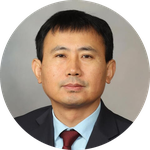
From Assay Development to Clinical Utility: High-Sensitivity Clonal Hematopoiesis Testing
Gang Zheng, M.D., Ph.D.
Co-director Clinical Genomics Laboratory, Professor of Laboratory Medicine and Pathology, Mayo Clinic
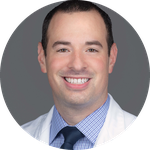
Lessons from a molecular tumor board
Todd C. Knepper, PharmD
Associate Member in Precision Oncology, Department of Pathology, Moffitt Cancer Center
Reserve your seat to this exclusive event on Wednesday, November 11th starting at 6:30 pm.
Next-generation sequencing (NGS) has transformed the diagnosis and management of haematologic malignancies, providing increasingly detailed insights into the molecular drivers of disease. However, many workflows continue to rely on single time point genomic assessments, limiting opportunities to leverage sequencing data throughout the patient journey.
In this webcast, Dr Todd Knepper of Moffitt Cancer Center will share lessons from a molecular tumour board and discuss how genomic information can support decision-making beyond initial diagnosis. Drawing on clinical experience and real-world examples, he will explore the role of NGS for risk assessment, monitoring clonal evolution, post-transplant surveillance and the interpretation of complex molecular findings.
He will also examine the challenges posed by clonal haematopoiesis of indeterminate potential (CHIP) and the importance of multidisciplinary approaches to genomic interpretation. Attendees will gain insight into emerging strategies for identifying and monitoring high-risk cases, and how expanded NGS applications might help to integrate precision oncology more effectively into routine haematology practice.
Learn:
Speakers:
Todd Knepper
Associate Member, Precision Oncology
Department of Pathology, Moffitt Cancer Center
Moderator:
Nikki Forrester
Freelance Science Writer and Editor
Large hospitals face a widening gap: guidelines are moving faster than most labs can validate against. And legacy PCR- and FISH-based workflows, however reliable, weren't built to scale to that pace. Prof. Klaus Schmetterer, Head of the Molecular Diagnostics Department, and his team at the Medical University of Vienna, Austria, one of Europe's largest tertiary care centers, are closing that gap.
In this session, Prof. Schmetterer shows how his team unlocked roughly 12 times more genomic coverage, at a comparable cost, without slowing down the turnaround clinicians rely on for treatment decisions. The shift: replacing a patchwork of single-gene and translocation assays with one integrated DNA/RNA NGS workflow, covering 500+ genes and 250+ translocations across both myeloid and lymphoid disease in a single run, powered by automated library preparation and the SOPHiA DDM™ platform's AI-driven variant analysis.
At the conclusion of this session, participants will be able to:
Presenter
Prof. Klaus Schmetterer, MD, PhD, heads the Cytogenetics Diagnostics section and the Molecular Biology in Hemato-Oncology Diagnostics section within the Department of Laboratory Medicine at the Medical University of Vienna (AKH Wien, Austria), roles he holds since 2022 and 2025 respectively. He also holds a tenure-track position at the university since 2021.
His path into hemato-oncology diagnostics began in immunology: he completed his Master's and PhD research in the laboratory of Winfried Pickl, MD, at the Institute of Immunology, Medical University of Vienna, earning his MD in 2010 and his PhD in Molecular Biology in 2011. He joined the Department of Laboratory Medicine in 2012 for his residency and completed it in 2018 as a board-certified specialist in Laboratory Medicine.
📍 National Institutes of Health (NIH), Kuala Lumpur, Malaysia | ⏱️ 2-hour session (10am - 12pm) | 8 October 2026
An exclusive educational session for government laboratory specialists, bioinformaticians, and pathologists
About This Session
As genomic testing volumes continue to rise across public healthcare systems, laboratories are under increasing pressure to deliver faster, more consistent, and more clinically actionable results.
SOPHiA GENETICS, in partnership with Science Vision, invites government stakeholders at the forefront of genomic diagnostics in Malaysia to a dedicated educational session, offering a substantive discussion of the analytical and interpretive challenges facing genomic laboratories today, and how AI-powered platforms such as SOPHiA DDM™ are helping address them.
Participants will gain practical insight into modern genomic workflows, observe the platform in a live demonstration, and have the opportunity to contribute their own laboratory's challenges to the discussion.
Why Attend
Agenda
| Agenda |
|---|
| Welcome & Stakeholder Introductions |
| How SOPHiA DDM™ Tackles Real-World Genomic Challenges |
| Live Platform Demo — See SOPHiA DDM™ in action, from sample to report |
| User Experience Sharing |
| Open Discussion & Q&A |
Who Should Attend
Government laboratory specialists, bioinformaticians, pathologists, and public healthcare stakeholders involved in genomic testing and analysis.
Classification guidelines for myeloid malignancies have undergone more changes in the last three years than in the previous decade. The 2022 WHO and International Consensus Classification updates went beyond adjusting diagnostic thresholds, they fundamentally redefined what constitutes a complete genomic profile, expanding the alterations that need to be detected, the variant types that need to be investigated, and the findings that have direct relevance to treatment decisions and patient monitoring.
For many laboratories, keeping pace with these changes has required the adoption of broad-coverage NGS applications. At Unidade Funcional de Hematologia Molecular, Unidade Local de Saúde de Coimbra, one of Portugal's national reference centers for hemato-oncology, Dr. Margarida Coucelo has led that transition, investigating myeloid malignancies across the full disease spectrum, from chronic conditions such as myeloproliferative neoplasms (MPN) and myelodysplastic syndromes (MDS) through to acute leukemias. That breadth of caseload, combined with the center's role as a referral hub receiving samples from institutions across the country, means that the quality and completeness of every genomic
report carry significant value for clinical teams.
In this webinar, Dr. Coucelo will share that experience through real cases, illustrating how a comprehensive DNA-based NGS approach can contribute to the identification of relevant variants and support discussions around treatment options and risk stratification. Cases will span a range of scenarios, from the detection of rare fusion genes and somatic variants to consolidating germline predisposition testing within a single workflow, to building a more complete picture to guide more robust clinical decisions.
This webinar offers an opportunity to explore how expanded NGS workflows are being applied in a high-volume reference setting, and what that experience may mean for laboratories navigating the evolving landscape of myeloid malignancy testing.
El GENOMiCS INSIGHTS Day Costa Rica se llevará a cabo el próximo 28 de julio, en el Hotel Four Points. El evento contará con la participación de especialistas y clientes que compartirán su experiencia real en la práctica clínica, abordando temas de alto impacto: desde el estudio de exoma completo en población costarricense hasta la caracterización molecular de neoplasias mieloides mediante secuenciación NGS.
La jornada reunirá experiencias concretas de clientes que utilizan la plataforma SOPHiA DDM™ en su día a día, ofreciendo una perspectiva directa sobre su impacto en el diagnóstico molecular y la toma de decisiones clínicas. El evento culminará con una mirada hacia el horizonte de la genómica en hemato-oncología, presentada por nuestro equipo de expertos.
A continuación, encontrará la agenda preliminar del evento
What: SOPHiA GENETICS Exclusive Networking event
Where: Four Points by Sheraton Sabana
Date: 28 de julio
Time: 14h00-17h:00
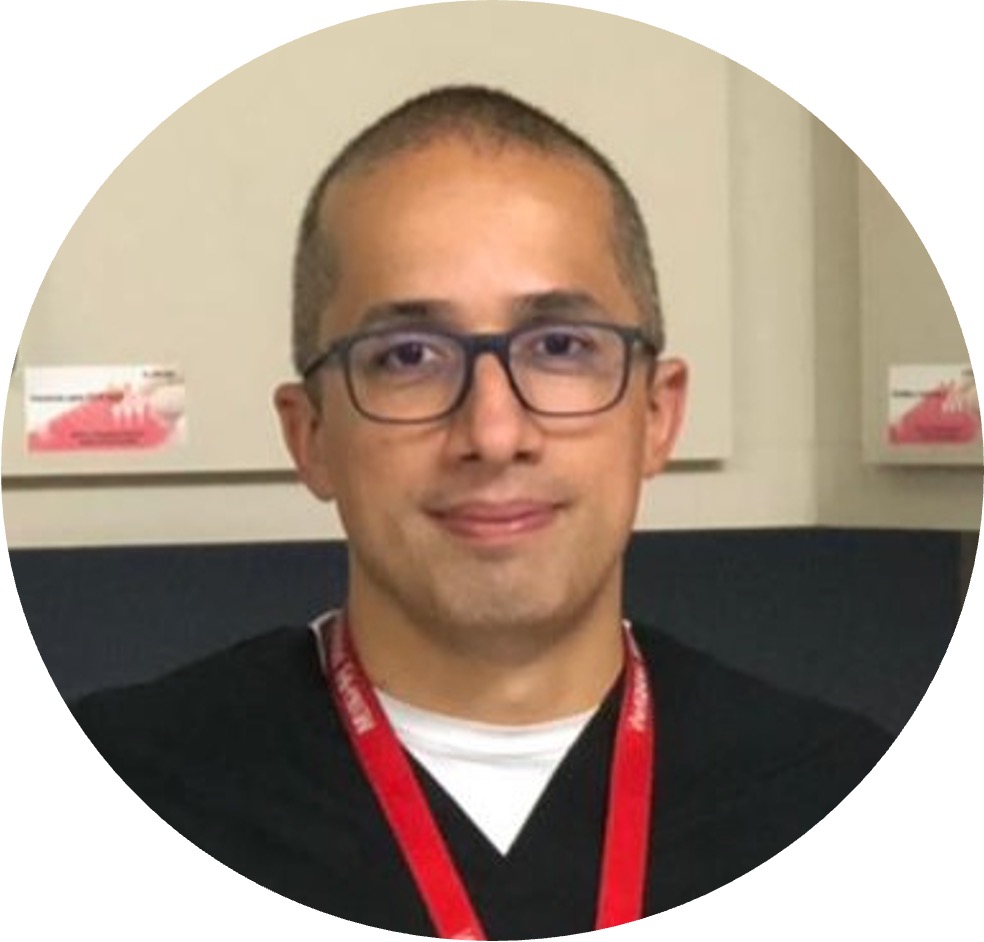
14:00 – 14:30
Experiencia del estudio de exoma completo en población costarricense
Dr. Carlos Santamaría, PhD
Jefe de División de Diagnóstico Molecular, Hospital Nacional de Niños, San José, Costa Rica
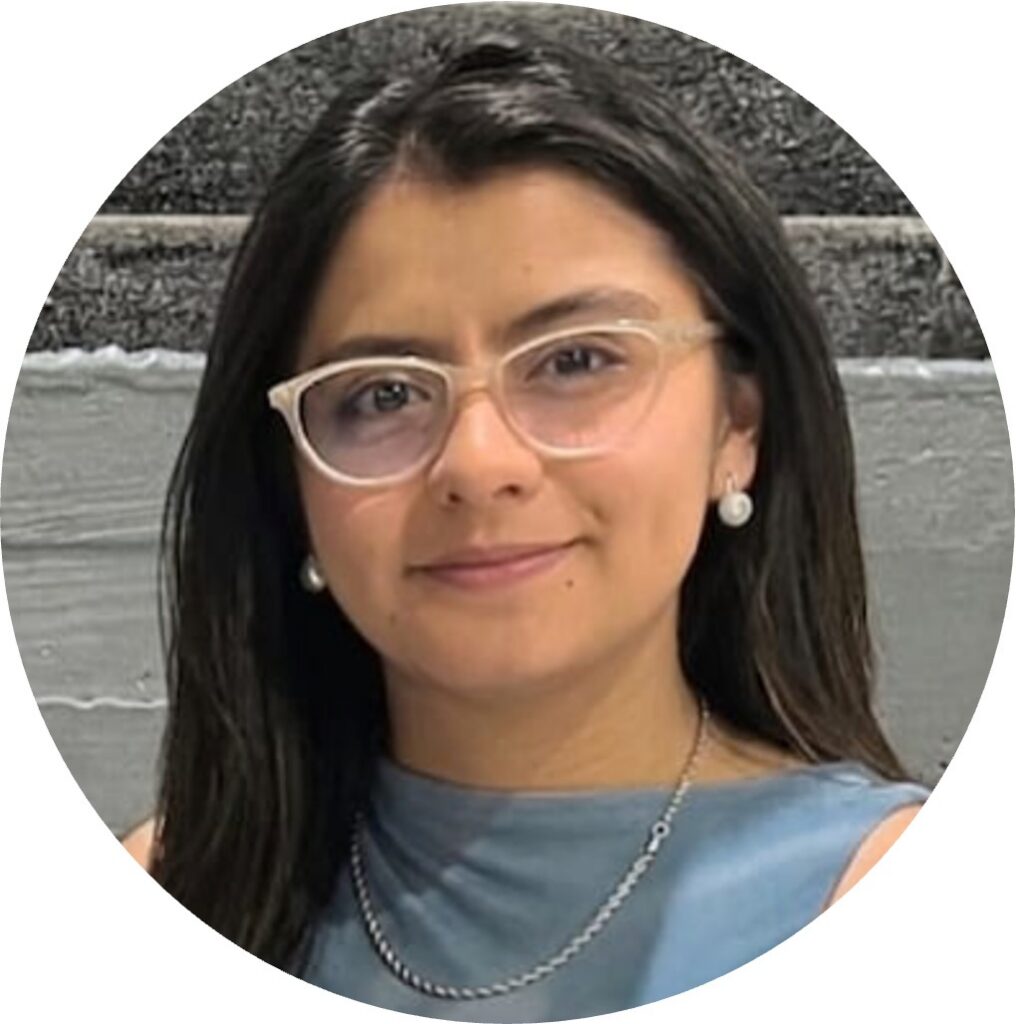
14:30 – 15:00
Caracterización molecular de una cohorte colombiana de neoplasias mieloides, mediante secuenciación NGS con SOPHiA DDM™
Paula Andrea Rueda Gaitán, MSc
Coordinadora de Bioinformática, Clínica Colsanitas, Colombia
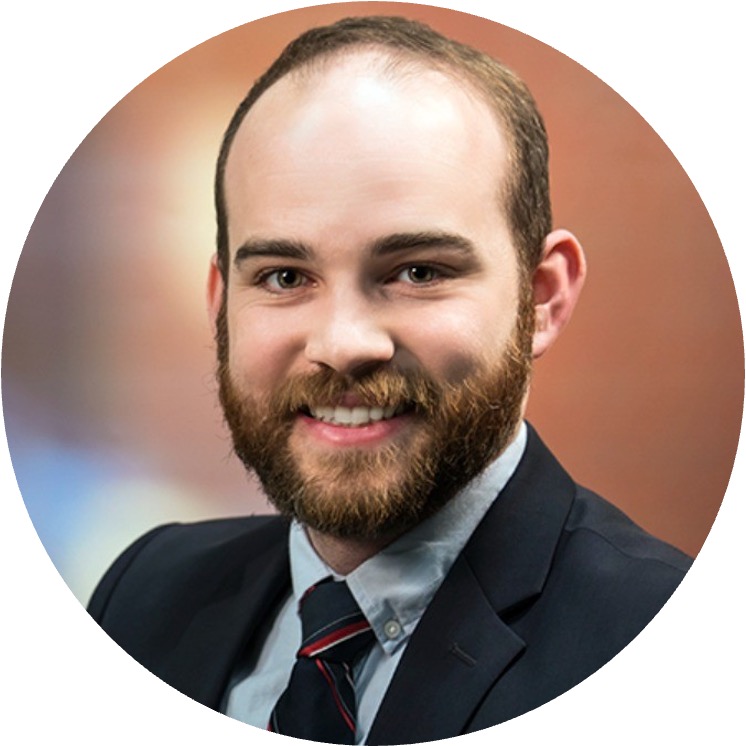
15:00 - 15:30
What’s Next in Hemato-Oncology Genomics
Brandon Bullough, Global Product Director, Hematologic Oncology
SOPHiA GENETICS

15:30 – 17:00
Cocktails and Networking
Conozca cómo SOPHiA DDM™ permite realizar análisis precisos en diversas áreas de la medicina, desde oncología hasta enfermedades raras.
Participe en una conversación sobre el futuro de las instituciones de salud e investigación y descubra cómo aprovechar el potencial de los datos de secuenciación de nueva generación (NGS) para generar resultados rápidos, sólidos y accionables que faciliten una toma de decisiones informada.
Interactúe con colegas, investigadores y usuarios de la plataforma SOPHiA DDM™ en un espacio diseñado para el intercambio de conocimientos, experiencias y oportunidades de colaboración científica.
Accurate and comprehensive genomic insights are increasingly essential for the diagnosis, classification, and risk stratification of myeloid malignancies — spanning single nucleotide variants, gene fusions, and large chromosomal aberrations. Yet consolidating these layers of genomic data into routine clinical workflows remains a significant bottleneck for many laboratories.
In this webinar, join Cecilia Lang, Biochemist and Head of Cytogenetics at Laboratorio de Especialidades Bioquímicas (LEB, Argentina), and Brandon Bullough, Product Marketing Director at SOPHiA GENETICS, as they explore how NGS-based molecular profiling with the SOPHiA DDM™ Myeloid Solution v2 (MYS2) can consolidate laboratory workflows and accelerate time-to-insights in the analysis of myeloid malignancies.
Brandon Bullough will open with an overview of SOPHiA DDM™ MYS2, tracing the need that drove its development and what sets it apart as a comprehensive myeloid solution. Cecilia Lang will then share her team's real-world experience implementing SOPHiA DDM™ MYS2 at a cytogenetics-focused reference center in Latin America — including its practical impact on day-to-day workflows and her perspective on where the field is headed.
Learning objectives
Speakers
Cecilia Lang
Head of Cytogenetics and FISH
Laboratorio de Especialidades Bioquimicas, LEB
Andrea Bender
Head of Molecular Biology
Laboratorio de Especialidades Bioquimicas, LEB
Brandon Bullough
Product Marketing Director, Blood Cancers
SOPHiA GENETICS
Real-world insights from Hospital Mário Penna
In this webinar, we explore how the MaxCare Program supported Hospital Mário Penna in implementing and adopting into routine two new NGS applications for the investigation of myeloid and lymphoid malignancies. The program empowered the local team to gain confidence in their results while assessing and establishing the analytical performance of the workflow.
Hospital Mário Penna shares their experience with SOPHiA GENETICS’ end-to-end implementation support, covering every step of the process—from strategic consultation and on-site training to data generation and analytical performance evaluation by the data science team, all tailored to the laboratory’s real-world context. The session concludes with the transition of these tests into routine practice, illustrated through two case studies: one in acute myeloid leukemia (AML) and the other in chronic lymphocytic leukemia (CLL).
Speakers:
Carolina Pereira de Souza Melo, PhD,
Researcher, Basic and Translational Oncology Research Laboratory, Instituto Mário Penna, Brazil
Gabrielle Martins Gonçalves, MSc,
SOPHiA GENETICS Implementation Scientist LATAM
Day: May 14th
Time: 11h BR/AR l 10h CL l 9h CO/PA l 8h MX/CR
Juan C. Gomez-Gelvez, MD
Section Head, Molecular Hematopathology — Henry Ford Health System
Measurable residual disease (MRD) represents the small number of leukemic cells that persist after treatment—undetectable by morphology yet clinically decisive. MRD status is now recognized as one of the strongest predictive and prognostic biomarkers in acute myeloid leukemia, influencing relapse risk, survival, and post-remission management.
In this on-demand session, Dr. Gomez-Gelvez walks through the principles, practicalities, and impact of using NGS to detect MRD with high sensitivity.
What You’ll Learn
Key Takeaways
Why Watch?
If you’re advancing AML diagnostics or shaping MRD strategies, this session provides clear, practical guidance from clinical concept through real-world application.
Melania Abreu González, MD/MS
Clinical Geneticist & Co-Founder, Genos Médica (Mexico)
Chronic lymphocytic leukemia (CLL) is the most common leukemia in adults across Western countries, but its incidence in Latin America is 3–5× lower, with some of the lowest rates observed in regions with high Amerindian ancestry. In Mexico, CLL represents only 7% of leukemia cases in Mestizo populations, making comprehensive molecular insights rare and highly valuable.
In this focused on-demand session, Dr. Abreu shares new learnings from targeted NGS analysis in the low-prevalence Mexican population and discusses how modern tools can reshape CLL assessment, stratification, and accelerate decision-making.
What You’ll Learn
Why Watch?
Get clear, real-world guidance on optimizing CLL workflows and generating meaningful insights in populations where data is limited.
SOPHiA GENETICS products are for Research Use Only and not for use in diagnostic procedures unless specified otherwise.
SOPHiA DDM™ Dx Hereditary Cancer Solution, SOPHiA DDM™ Dx RNAtarget Oncology Solution and SOPHiA DDM™ Dx Homologous Recombination Deficiency Solution are available as CE-IVD products for In Vitro Diagnostic Use in the European Economic Area (EEA), the United Kingdom and Switzerland. SOPHiA DDM™ Dx Myeloid Solution and SOPHiA DDM™ Dx Solid Tumor Solution are available as CE-IVD products for In Vitro Diagnostic Use in the EEA, the United Kingdom, Switzerland, and Israel. Information about products that may or may not be available in different countries and if applicable, may or may not have received approval or market clearance by a governmental regulatory body for different indications for use. Please contact us to obtain the appropriate product information for your country of residence.
All third-party trademarks listed by SOPHiA GENETICS remain the property of their respective owners. Unless specifically identified as such, SOPHiA GENETICS’ use of third-party trademarks does not indicate any relationship, sponsorship, or endorsement between SOPHiA GENETICS and the owners of these trademarks. Any references by SOPHiA GENETICS to third-party trademarks is to identify the corresponding third-party goods and/or services and shall be considered nominative fair use under the trademark law.